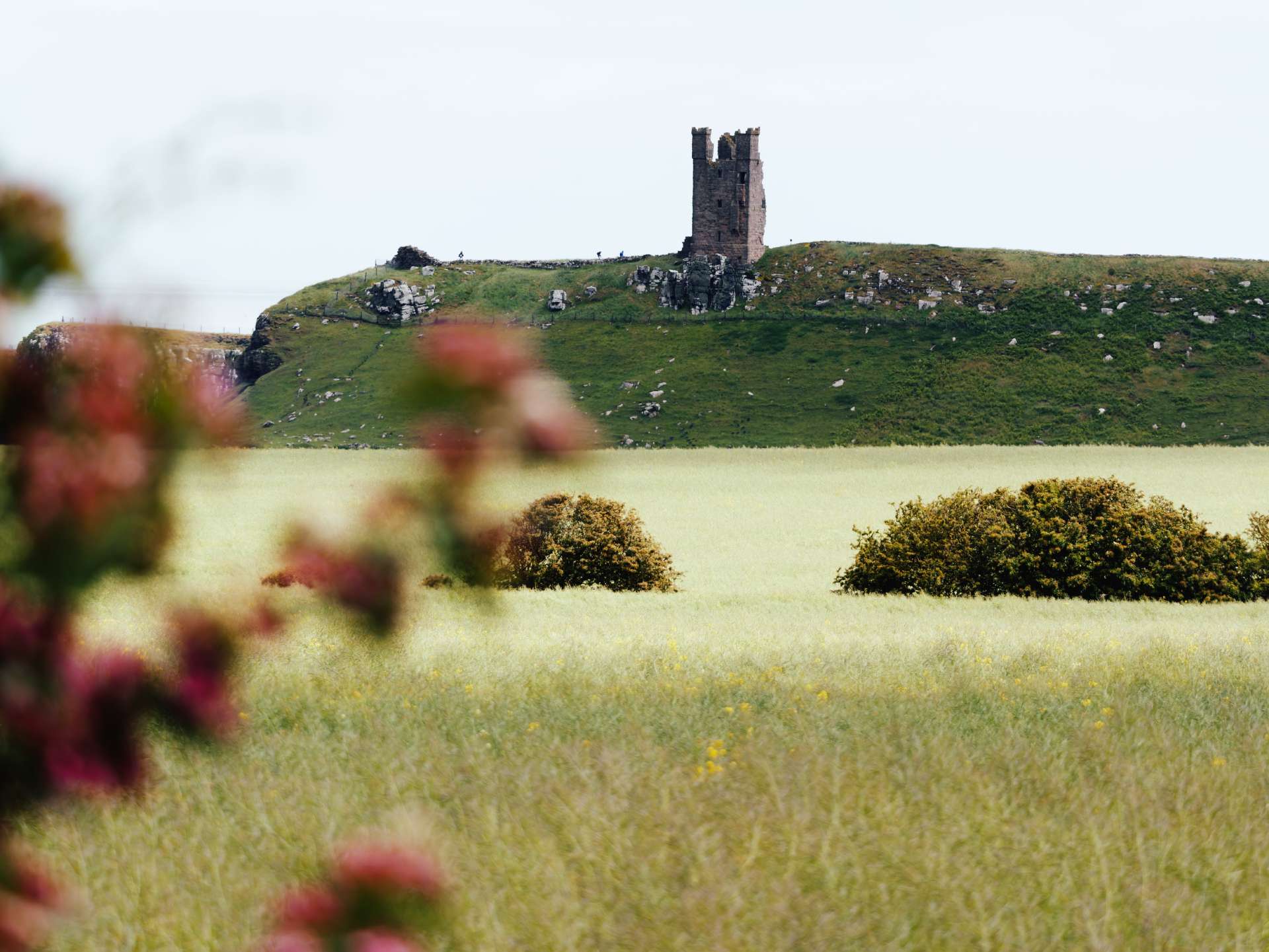
There’s no road to Dunstanburgh Castle. You have to walk to it, and that is half the magic. The most popular approach is the gentle mile and a bit along the coast from the fishing village of Craster, the castle’s ruined towers growing slowly larger ahead of you the whole way.
I took a slightly longer loop, out around the headland past the little inlet known as Nova Scotia and back. You can follow the route here:
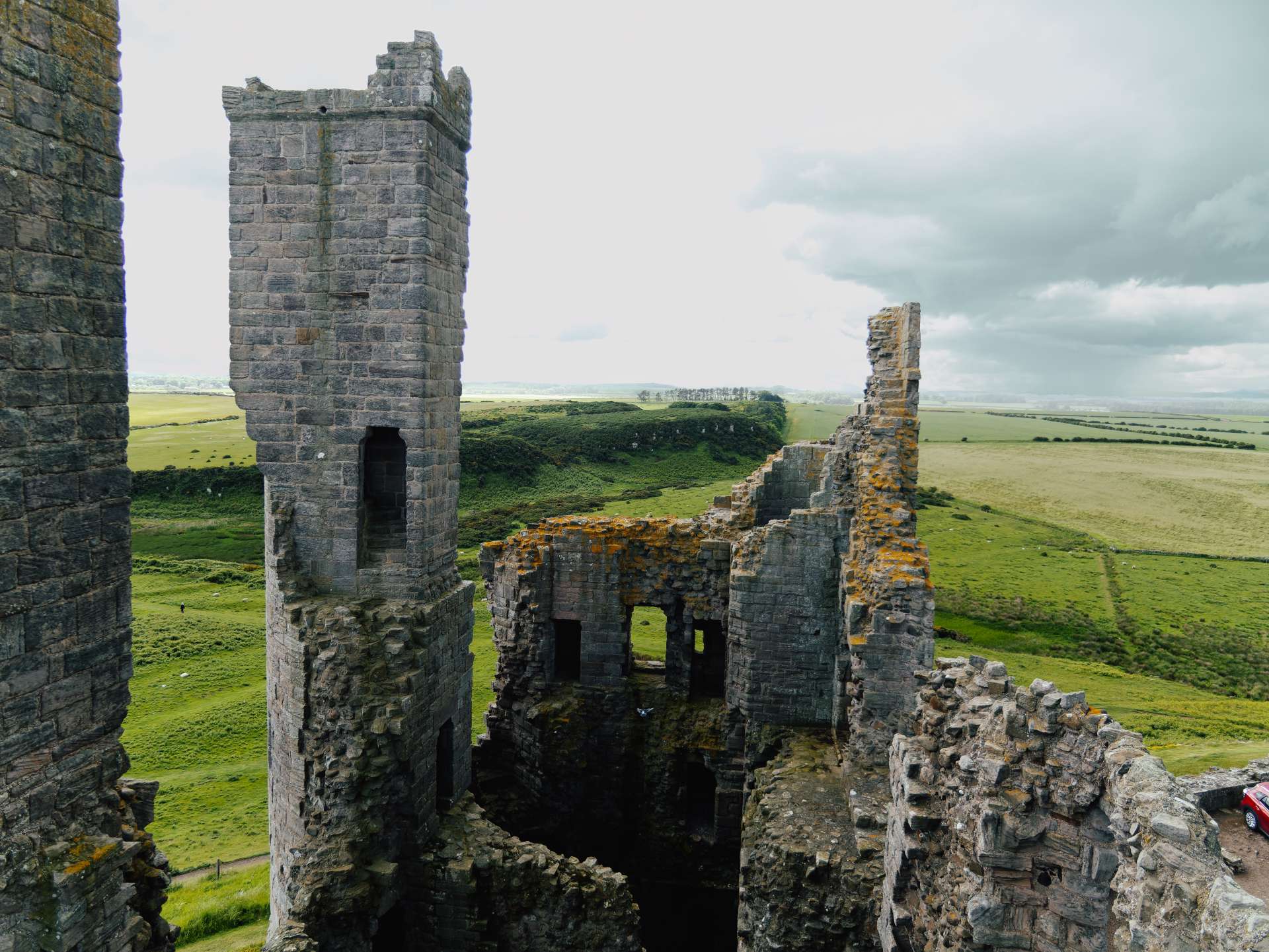
Dunstanburgh was begun in 1313 by Earl Thomas of Lancaster, the most powerful baron in England and no friend of his cousin, King Edward II. It was built on a grand, defiant scale, perched on a dark crag of the Whin Sill where the dolerite meets the North Sea. Later remodelled by John of Gaunt, it gradually fell into the romantic ruin you see today — twin gatehouse towers and broken curtain walls standing alone on the green headland, with sheep for company.
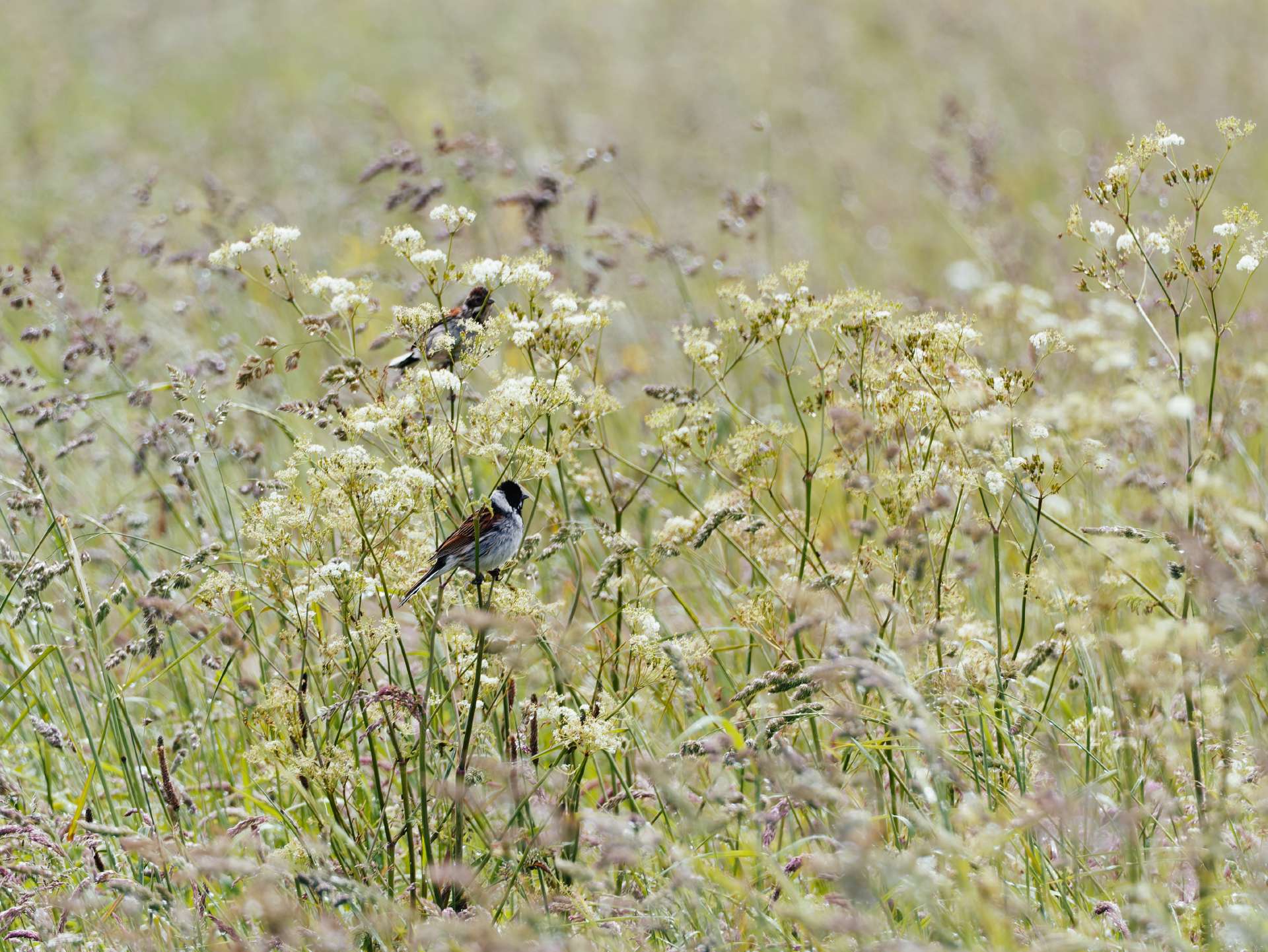
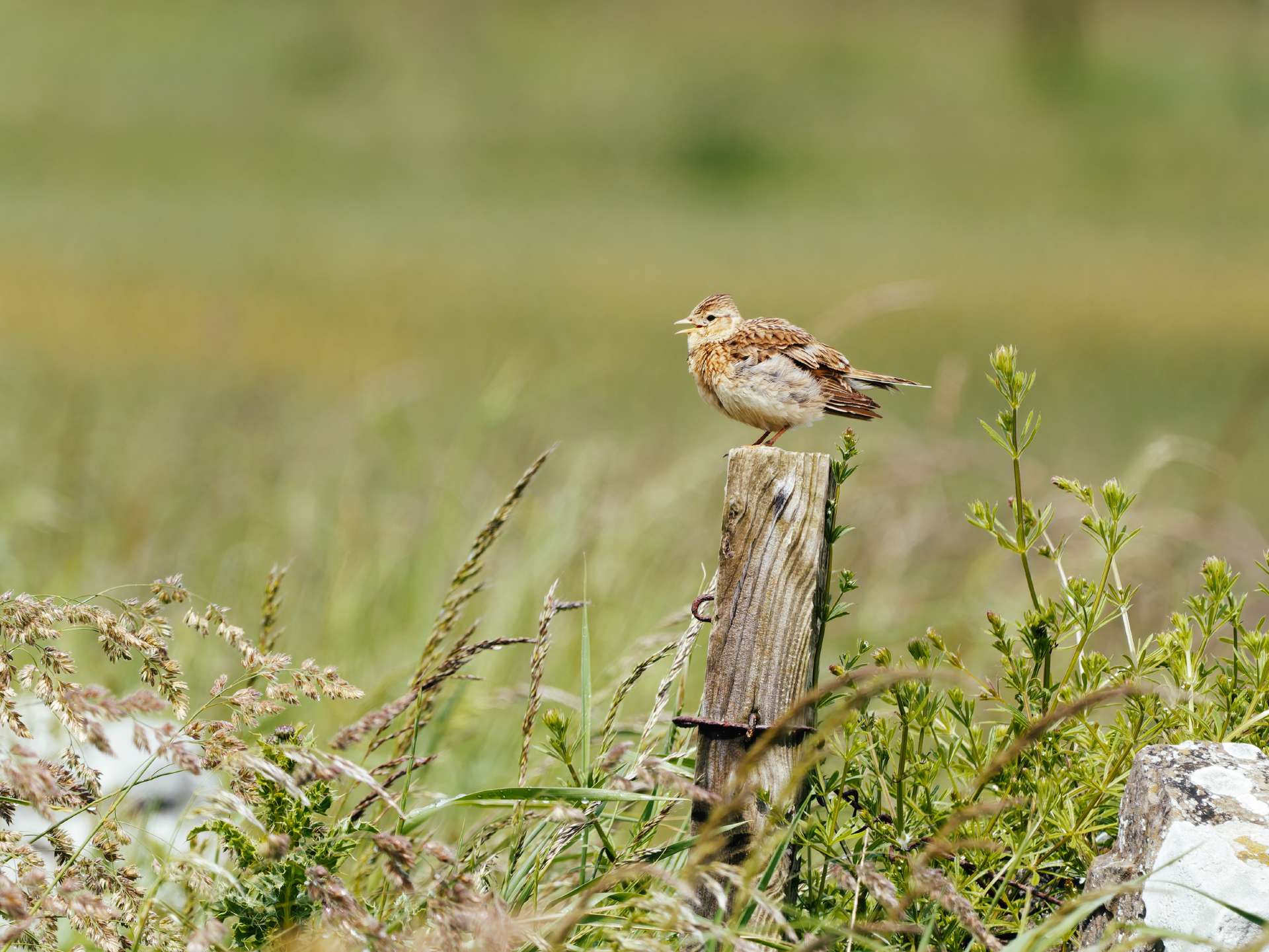
The path crosses meadows thick with summer grasses and wildflowers, and it’s alive with birdsong. Skylarks pour out their endless song, while reed buntings flit between the seed heads.
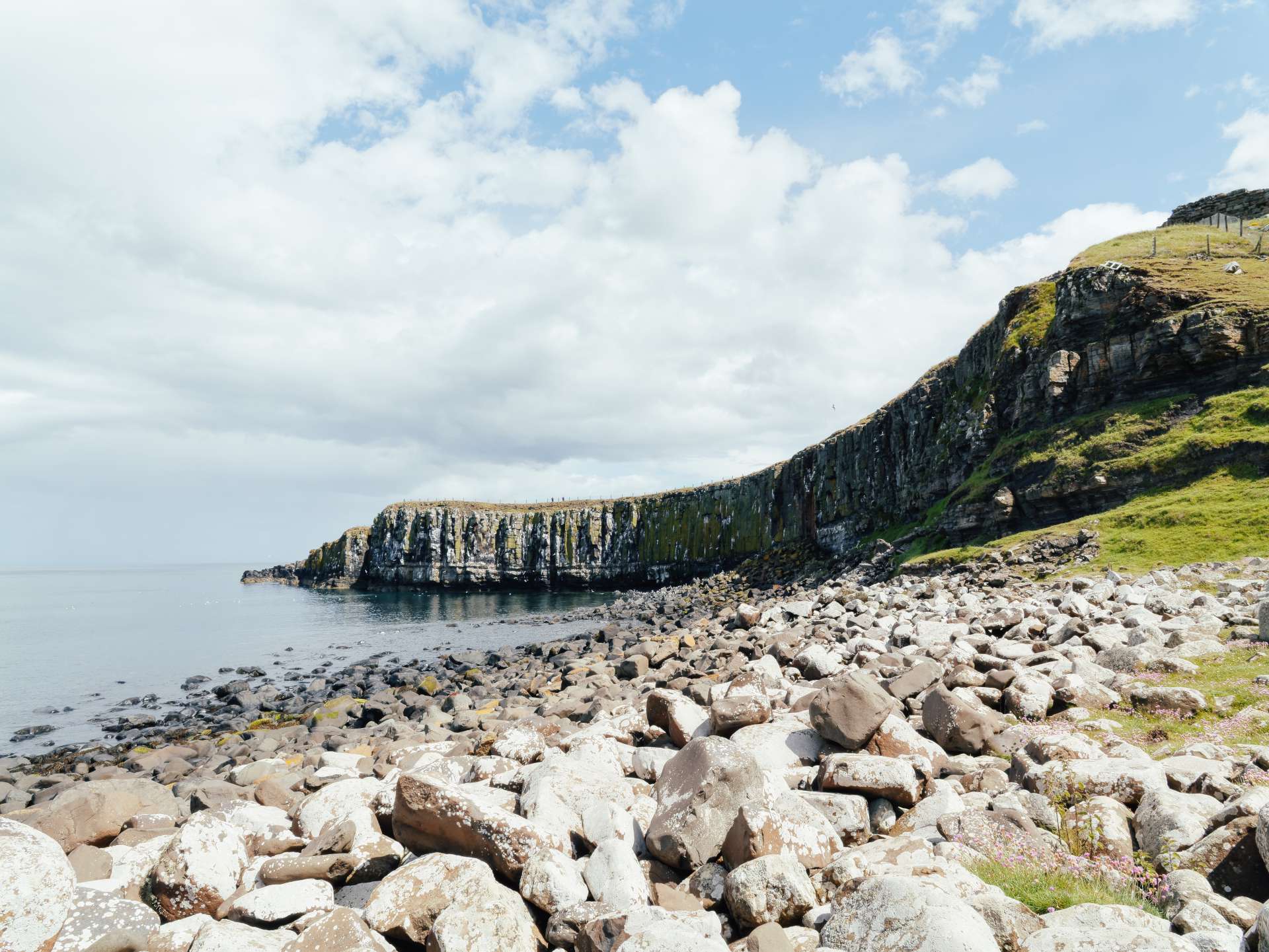
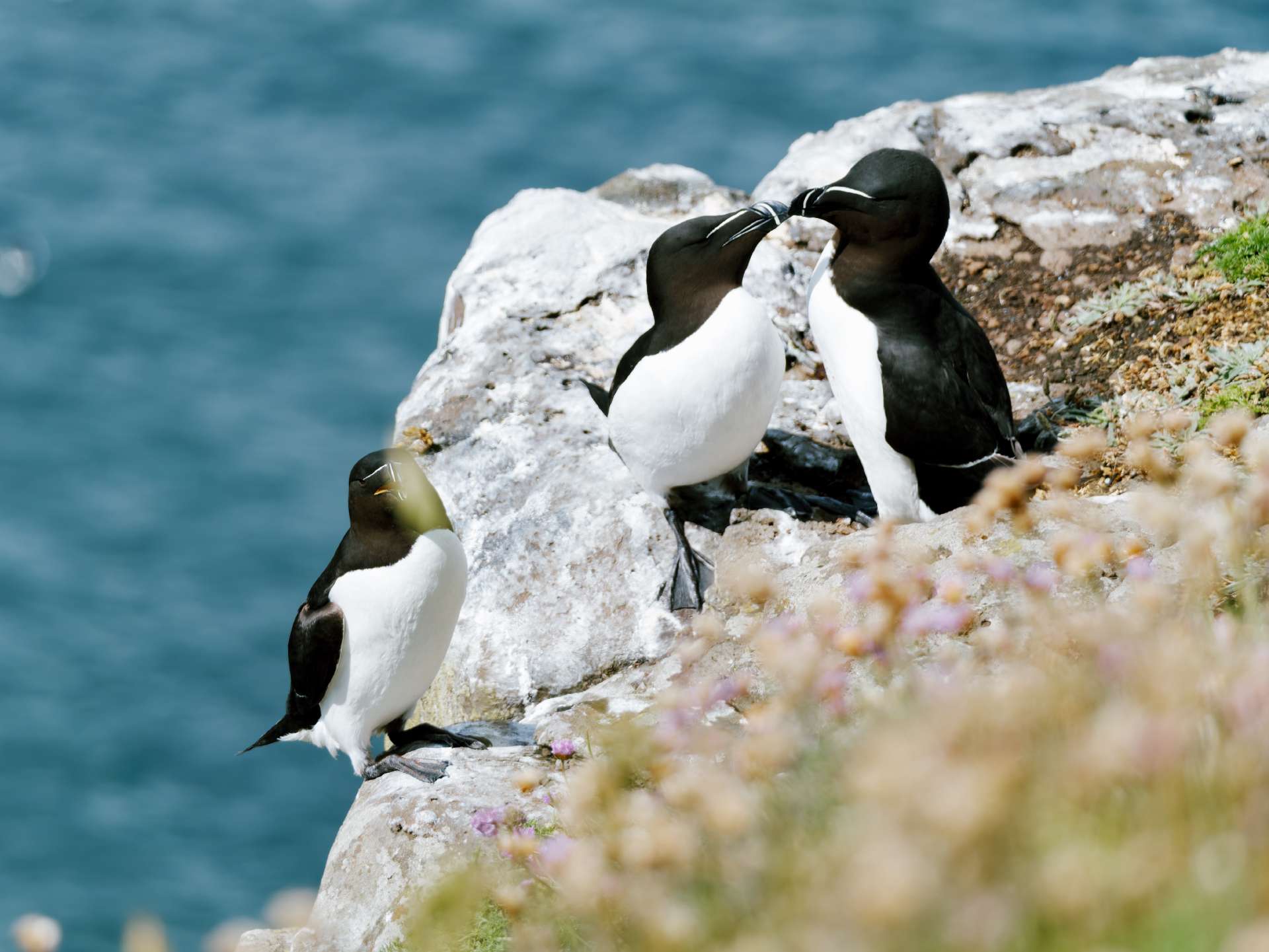
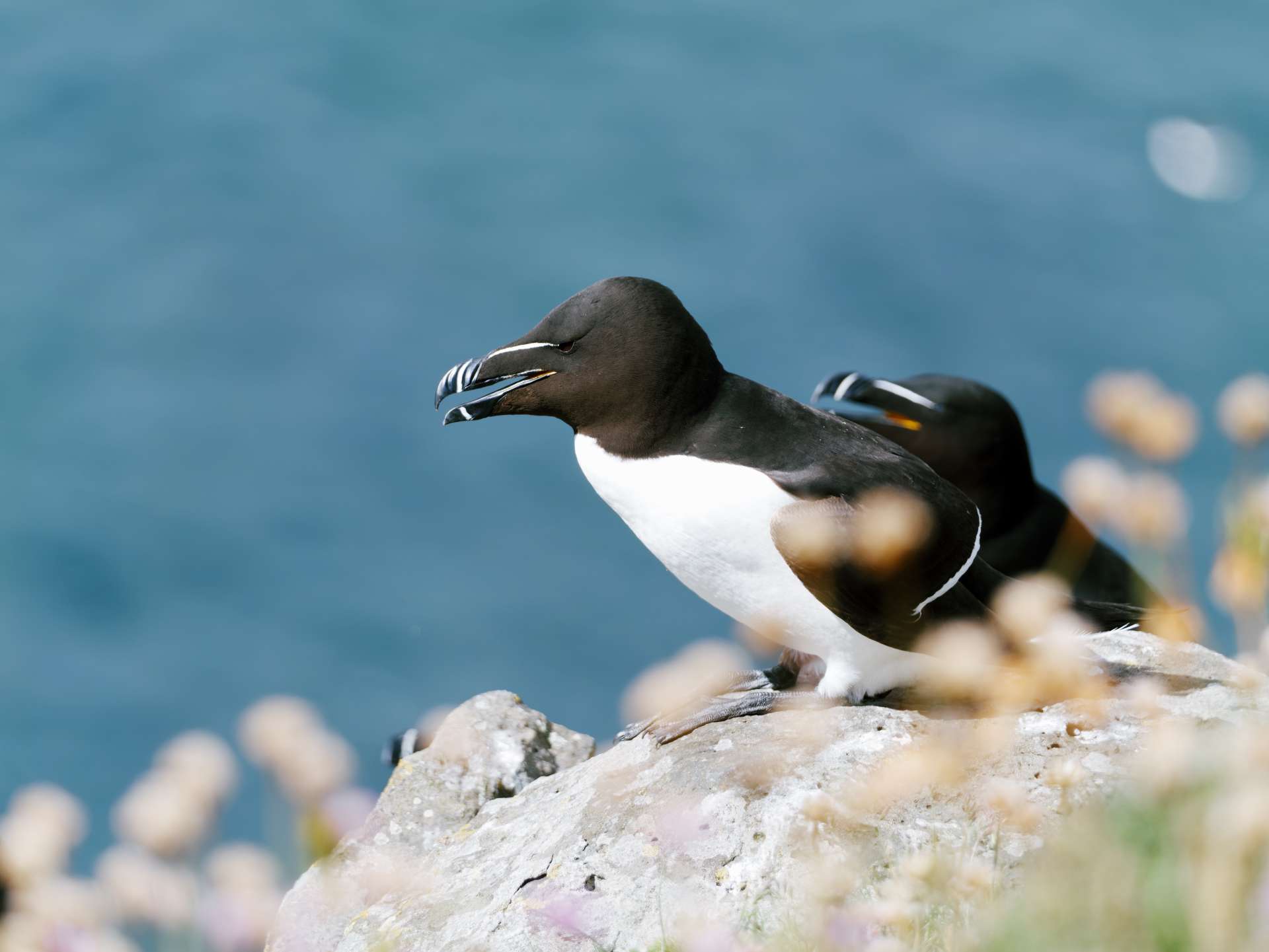
Below the castle’s north side the cliffs at Gull Crag are a seabird haven. Razorbills crowd the ledges.